Russian
Essential Guide to Electric Forklift Maintenance
For warehouse and logistics managers, a well-maintained fleet of electric forklifts is a cornerstone of operational efficiency. This expert guide will help you avoid costly downtime and significantly extend the service life of your equipment.
In today’s fast-paced material handling industry, electric forklifts have become the workhorses of modern warehouses. Compared to internal combustion models, they offer advantages such as zero emissions, low noise levels, and significant fuel cost savings. However, achieving an optimal return on investment from an electric fleet requires a rigorous and proactive maintenance strategy.
It is important to note that while electric forklifts require less engine maintenance than internal combustion models, they introduce a critical and expensive component: the battery. Neglecting maintenance not only risks unexpected breakdowns
but also directly erodes company profits. Below are the key maintenance areas that every fleet manager should prioritize.
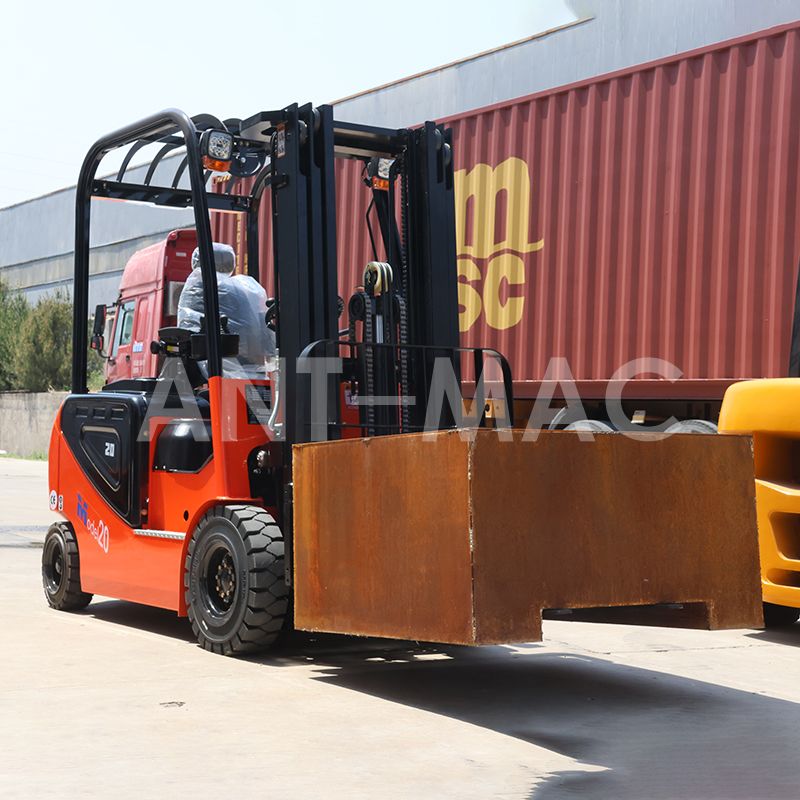
1. The Lifeline: Battery Maintenance
The battery is often the single most expensive component of an electric forklift, serving as the "fuel" for years to come. Proper maintenance can double the battery's lifespan. It is crucial to recognize the significant differences in maintenance
strategies between traditional lead-acid batteries and modern lithium-ion batteries.
For Lead-Acid Batteries:
Watering is Key: Distilled water must be added only after the battery is fully charged and has cooled down; never add water before charging. Plates must remain fully submerged in electrolyte, but overfilling can cause acid spills and corrosion.
Charging Discipline: Avoid "opportunity charging" (short bursts of charging during a shift), as this damages lead-acid cells. Ideally, perform a full charging cycle only when the battery has discharged to 20%–30% capacity.
Cooling Time: After a full charge, lead-acid batteries require a mandatory cooling period of 6–8 hours before use. Operating a battery while it is hot can cause lead plates to warp, leading to internal short circuits.
For Lithium-Ion Batteries:
Virtually Maintenance-Free: Lithium-ion battery packs feature a fully sealed design, eliminating the need for watering or checking acid specific gravity, which drastically reduces daily maintenance requirements.
Supports Opportunity Charging: Unlike lead-acid batteries, lithium-ion batteries can undergo "opportunity charging" during short operator breaks without damaging the cells, making them ideal for continuous, multi-shift operations.
BMS Monitoring: The Battery Management System (BMS) is a core monitoring tool. Regularly check for BMS alerts or voltage fluctuations to ensure proper cell balancing within the battery.
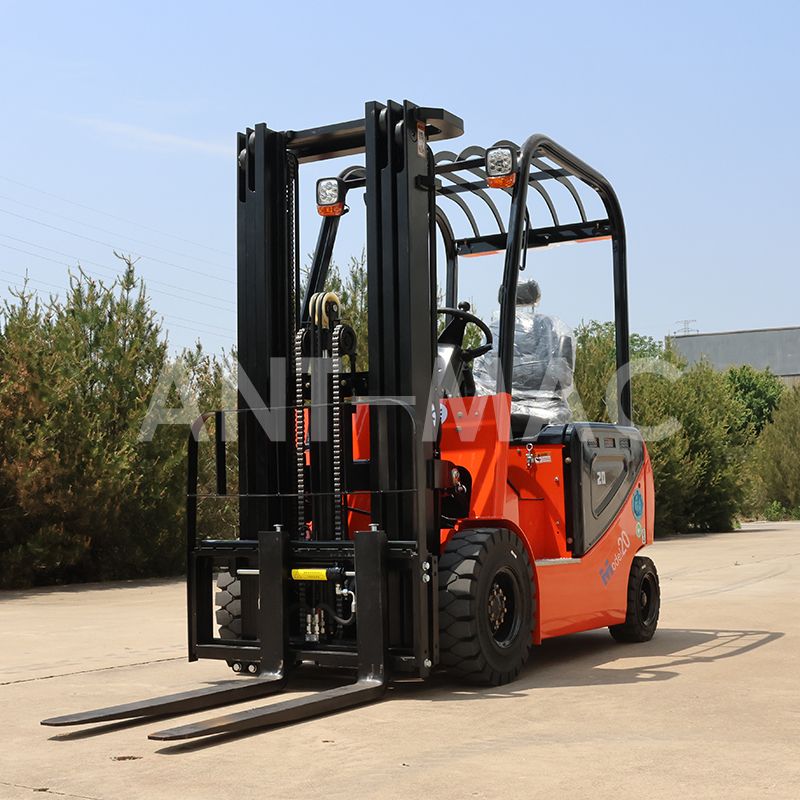
2. Daily Operational Checks: The First Line of Defense
Most downtime incidents originate from minor, easily overlooked issues. A comprehensive pre-shift inspection—taking just three minutes—can prevent major breakdowns. Operators should be trained to focus on the following:
Tires: Check for abnormal wear, cuts, or chunking. Proper tire pressure reduces energy consumption and improves stability.
Forks and Mast: Inspect for cracks, bending, or chain wear. Regularly lubricate mast chains to minimize friction and wear.
Hydraulic System: Check hoses and fittings for leaks and verify that hydraulic fluid levels are correct.
Electrical System: Listen for unusual noises during startup and confirm that all warning lights, the horn, and the reversing alarm are functioning properly.
3. Environmental Factors and Cleaning
The operating environment significantly impacts maintenance needs. Dust and debris can coat electrical components, hindering heat dissipation and causing insulation to become brittle.
Regular Air-Blasting: Use compressed air to regularly clear accumulated dust from the motor housing, control panel, and battery compartment. This is especially critical in hot climates to prevent overheating damage to sensitive electronic components.
Terminal Cleaning: Battery terminals must be kept clean and free of corrosion. Regular wiping ensures efficient conductivity and prevents increased contact resistance.
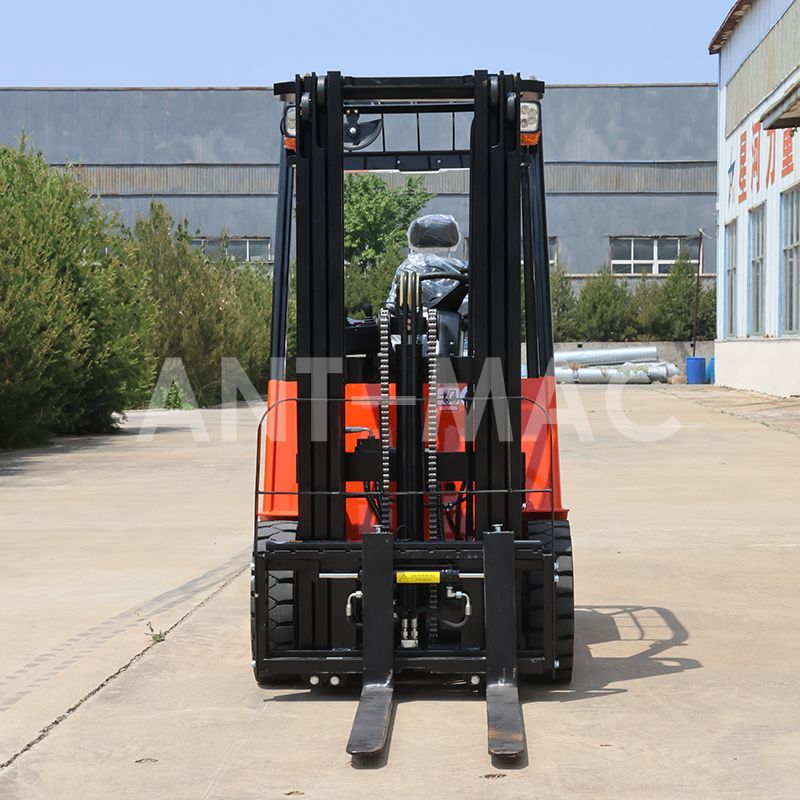
4. Shifting from Reactive Repair to Predictive Maintenance
Waiting for equipment to break down before performing repairs is the costliest maintenance strategy. Establishing a scheduled preventive maintenance system based on operating hours is essential.
Scheduling: Conduct in-depth professional inspections at least quarterly and strictly adhere to the manufacturer's maintenance schedule.
Data Tracking: Use maintenance logs to track recurring issues. If a specific forklift frequently requires tire replacements or hydraulic system repairs, investigate the root cause—the issue may stem from uneven flooring or operator habits rather than the
quality of the parts themselves.
Conclusion
Transitioning to electric forklifts is a strategic move toward sustainable development and operational efficiency. However, this technology also necessitates a shift in maintenance philosophy—moving away from a focus on engine oil toward prioritizing
battery management and the maintenance of electrical systems. By implementing standardized operator training, strictly adhering to battery maintenance protocols (particularly regarding fluid replenishment for lead-acid batteries and BMS monitoring
for lithium batteries), and consistently following preventive maintenance schedules, operators can significantly reduce downtime, lower operating costs, and maximize the investment value of the equipment over its entire lifecycle.
 Antmac 40m Truck Mounted Aeria
 Ant-Mac Aerial Work Platforms
 Global Aerial Work Platform Ma
 Malaysian Customer Purchases A