Russian
Global Aerial Work Platform Market 2026 – Electric, Compact, and Rental Trends Reshape Industry
Market to reach $55.6 billion by 2035. Electric models grow at 10.26% CAGR. Narrow-chassis designs dominate APEX 2026. Rental digitization and application-specific customization become standard.
The aerial work platform market is going through a major transformation. Demand is up. Technology is evolving fast. Rental fleets are expanding. Electric and compact models are taking over.
Here is what is happening in the aerial work platform market right now.
Market Growth – Big Numbers, Big Demand
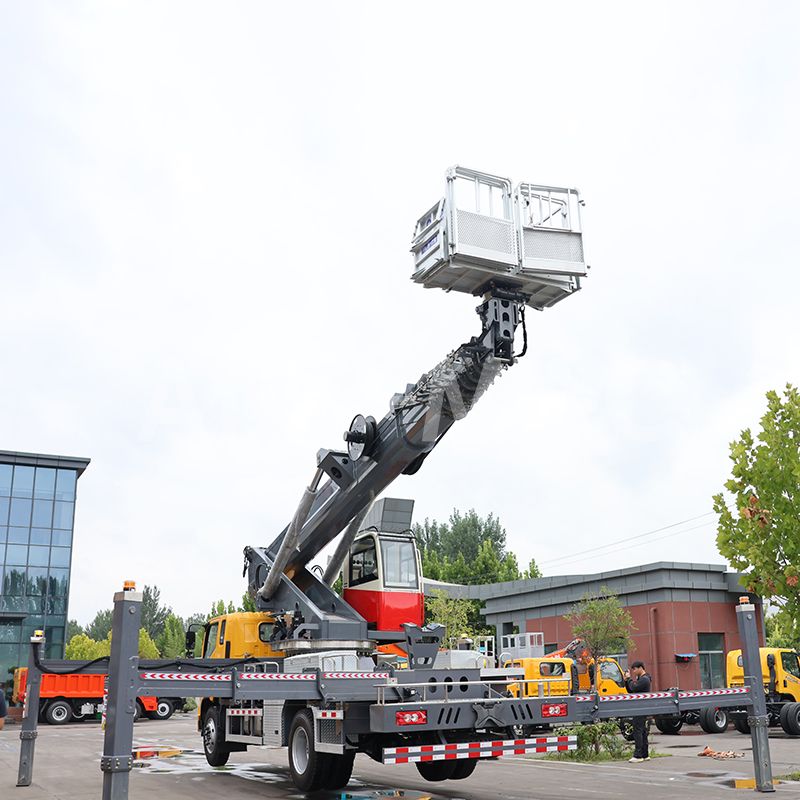
The global aerial work platform market is on a strong growth trajectory. The market is projected to grow steadily through 2035, driven by infrastructure investment, urbanization, and a continuing shift from traditional access methods to engineered lifting platforms.
Boom lifts hold the largest product segment share at 43.24%, prized for their multi-trade versatility on congested job sites . Articulating models allow operators to reach around obstacles without repositioning the base vehicle, boosting productivity. Scissor lifts dominate indoor fit-out tasks, while vertical mast lifts are the fastest-growing segment at 8.84% CAGR, driven by warehouse operators who value their zero-turn radii .
North America commanded 34.76% market share in 2025, supported by ANSI A92 compliance-driven replacement cycles and federal infrastructure funding . Asia-Pacific is on track to achieve the fastest CAGR at 9.27%, fueled by rapid urbanization and industrial diversification. Southeast Asian economies—Indonesia, Vietnam, and the Philippines—are emerging as hotspots as e-commerce players build multi-level fulfillment hubs, increasing demand for 30- to 40-foot electric models.
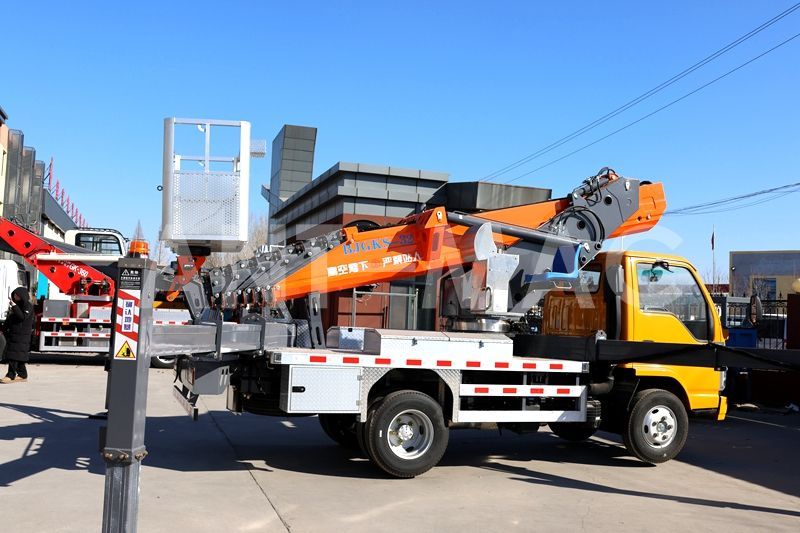
The global truck-mounted aerial platform market is also expanding at a remarkable pace, with a CAGR of 27.1% projected through 2031 .
APEX 2026 – Four Key Trends Define the Market
APEX 2026 in Maastricht, Netherlands, was a clear signal of where the industry is heading. The show confirmed that electrification, compact design, application-specific customization, and digital rental technology are the dominant forces shaping the market .
Trend 1 – Electrification Is Now an Entry Ticket
Internal-combustion engines still capture 61.74% of market share in 2025, but electric variants are capturing incremental share faster than any other propulsion type . The electric segment is expanding at a double-digit 10.26% CAGR as urban ordinances phase out diesel on redevelopment sites .
Lithium-ion packs now deliver full-shift autonomy for a 40-foot scissor lift at an energy cost about 30% lower than propane equivalents when charged overnight. On-site fast-charge stations are being trialed on major infrastructure projects and are expected to become more common in North America with federal infrastructure grants.
However, in price-sensitive high-volume export markets, lead-acid batteries still dominate. Lithium-ion adoption is the clear trend, but widespread uptake will take time .
Trend 2 – Narrow Chassis + Lightweight Design: The New Currency
Compact manlifts with a chassis width of 1.2 to 1.6 meters and overall weight under 3 metric tons are becoming the core focus for fleet renewal among Western European rental companies. The reasoning is practical: European urban areas have high building density and extremely limited indoor working space. Narrow-body models can access high-margin scenarios including warehousing, retail facilities, historical building restoration, and landscaping. "Narrow" directly equals "higher utilization rates."
Trend 3 – Application-Specific Customization: The End of One-Size-Fits-All
Rental companies are no longer satisfied with "general-purpose" machines. They are demanding deeply optimized, customized solutions tailored to specific job site scenarios . Examples include ultra-narrow chassis (under 1.5 meters) with jib design for warehousing, under-3-ton no-outrigger lithium-ion spider lifts for historical restoration, and fully electric scissor lifts with fast charging for retail and dust-free workshops. The one-size-fits-all model is outdated .
Trend 4 – Digital Rental Technology: From "Optional" to "Standard Equipment"
IoT fleet management systems, remote diagnostics, and rental risk control hardware have become standard in negotiations between OEMs and rental companies. Digital tools such as electronic work orders, AI-based fuel consumption prediction, and fault pre-diagnosis are significantly reducing after-sales operating costs for European rental companies .
Global Expansion and Industry Competition
The competitive landscape is intensifying. Manufacturers are investing heavily in local production capabilities to serve key markets. In March 2026, Zoomlion Heavy Industry opened its new manufacturing facility in Hungary, designed to produce boom lifts and scissor lifts for the European market.
At APEX 2026, leading global players including LGMG, Time Manufacturing (Versalift, Ruthmann), and many others showcased their latest innovations. LGMG displayed over 10 machines including its popular AR32J-2 articulated boom lift with an innovative expandable axle structure, and highlighted its localized European operation with a fully integrated sales, service, and parts network . Time Manufacturing featured new products including the VA-200-F and the RUTHMANN STEIGER® T 570 HF, a 57-meter working height platform .
The industry is moving toward a "localized global" model. Manufacturers are establishing regional production, service networks, and parts warehouses to reduce lead times and better serve local markets.
What This Means for Buyers
If you are in the market for an aerial work platform, here is what I think matters.
Think electric. Regulations are pushing the shift. Electric models are quieter, cleaner, and cheaper to run. Lithium-ion is the premium upgrade, but even lead-acid electric models are becoming the baseline for indoor and city-center work .
Consider narrow-chassis models. Compact designs are becoming the standard for urban work and indoor applications. They fit in tight spaces and access standard doorways. Higher utilization rates mean better return on investment.
Look at customization. One-size-fits-all is outdated. Ask suppliers about application-specific configurations. This can mean 1.5-meter chassis widths, lithium-ion batteries, or specialized attachments.
Consider rental. Renting gives you access to a wide range of models without the upfront cost. It also includes maintenance. The rental model is becoming more efficient with IoT fleet management and AI-based utilization analytics .
Check service network. Manufacturers with local parts warehouses and service teams can reduce downtime significantly. Look for suppliers with established regional support .
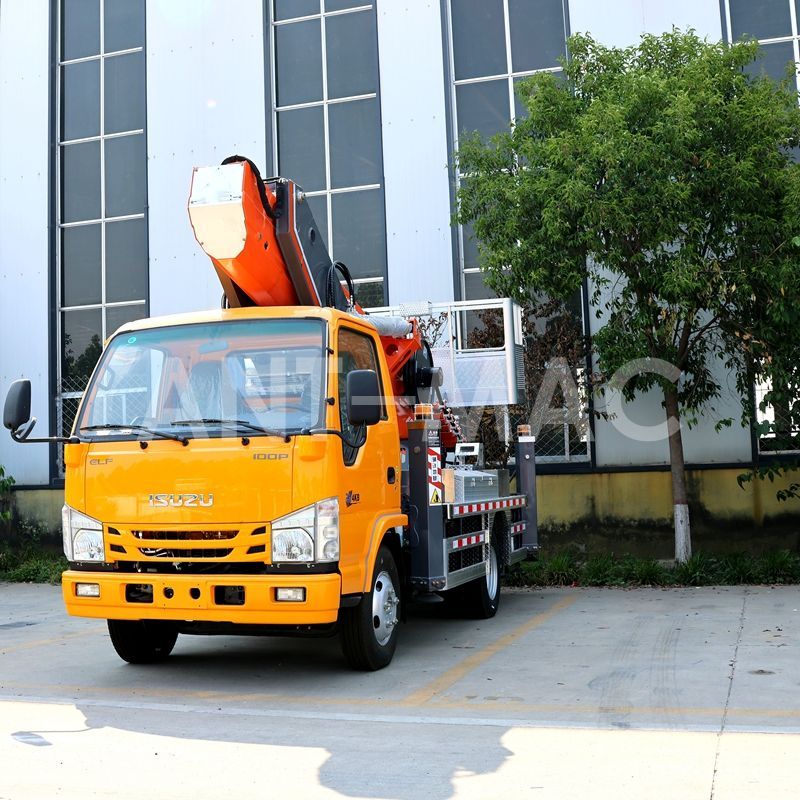 Ant Aerial Work Platforms Push
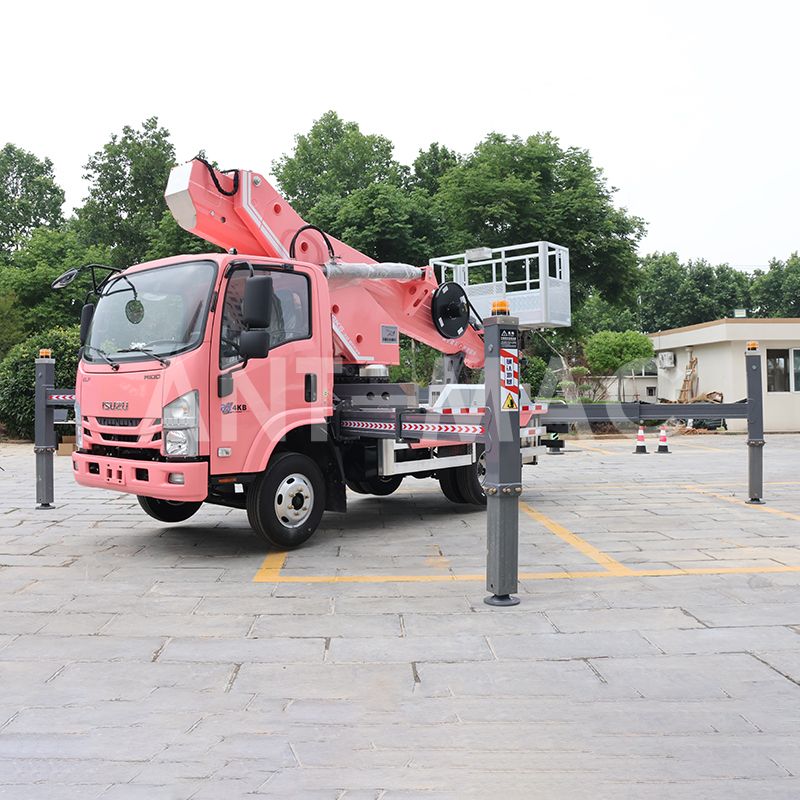 Antmac 40m Truck Mounted Aeria
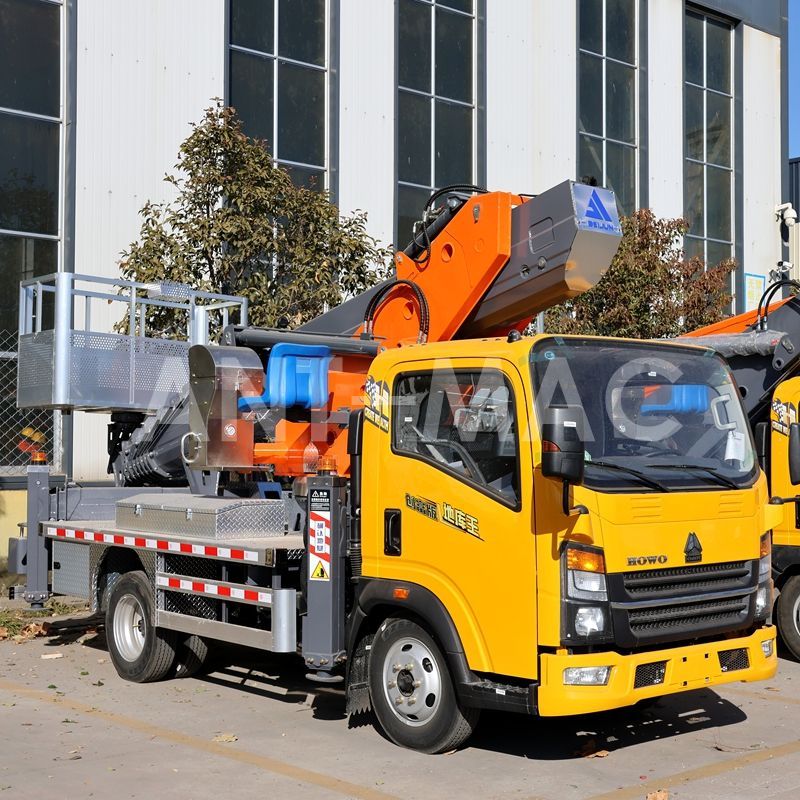 Ant-Mac Aerial Work Platforms
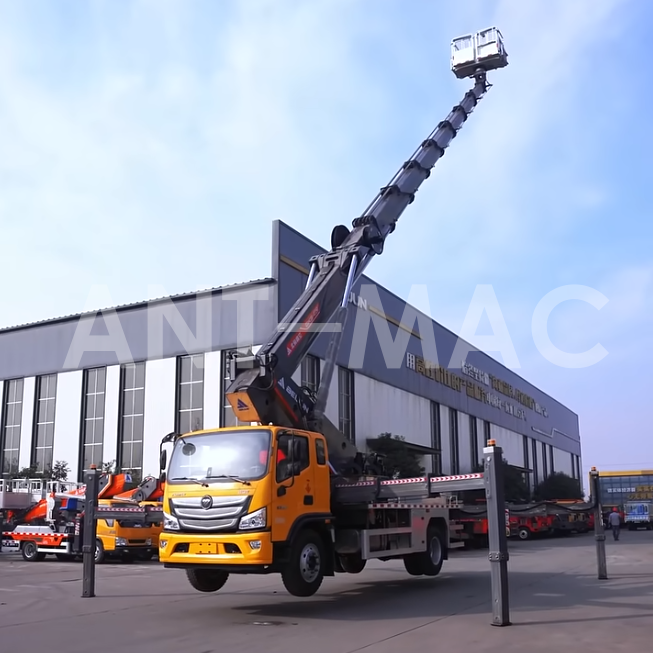 Global Aerial Work Platform Ma